


FIRE HYDRANT
INR 0
Enquire
Description
Fire hydrant valves, also known as fire hydrant outlets or fire hydrant standpipes, are essential components of municipal water supply systems designed to provide a ready connection point for firefighters to access water for extinguishing fires. Here's a detailed breakdown of the components and functions of fire hydrant valves: 1. **Body:** The main body of a fire hydrant valve is typically made of durable materials such as cast iron, ductile iron, or brass. It is installed underground or at ground level, with a visible above-ground portion known as the "hydrant head" or "bonnet." 2. **Operating Mechanism:** Fire hydrant valves feature a mechanism for controlling the flow of water. This mechanism may consist of a spindle or stem connected to a handwheel or operating nut located on the hydrant head. Turning the handwheel or operating nut opens or closes the valve, allowing firefighters to control the flow of water from the hydrant. 3. **Valve Assembly:** The valve assembly is located inside the hydrant body and consists of a valve seat, valve disk, and stem. When the hydrant valve is closed, the valve disk seals against the valve seat to prevent the flow of water. Opening the valve lifts the disk away from the seat, allowing water to flow through the hydrant. 4. **Outlet Connections:** Fire hydrant valves typically have multiple outlet connections to accommodate various firefighting equipment and hoses. Common outlet sizes include 2.5 inches (65 mm), 4 inches (100 mm), and 6 inches (150 mm), with threaded or flanged connections to attach hoses, nozzles, or other firefighting appliances. 5. **Pressure Rating:** Fire hydrant valves are designed to withstand high water pressures commonly found in municipal water supply systems. They are rated for specific operating pressures, which dictate their maximum working pressure and flow capacity. Pressure ratings vary depending on the design, construction materials, and intended use of the hydrant valve. 6. **Auxiliary Features:** Some fire hydrant valves may include auxiliary features to enhance functionality and accessibility. These features may include locking mechanisms to prevent unauthorized use, drain valves to remove trapped air or water from the hydrant, and caps or covers to protect the outlet connections from debris, tampering, or damage. 7. **Color Coding and Markings:** Fire hydrant valves are often color-coded and marked with standardized symbols and labels to indicate their type, size, flow capacity, and other important information. Color coding helps firefighters quickly identify the capabilities and characteristics of hydrants during emergency response operations. Fire hydrant valves are strategically located throughout urban and suburban areas, typically spaced at regular intervals along streets, roads, and highways to provide comprehensive coverage for firefighting purposes. Proper maintenance, inspection, and testing of fire hydrant valves are essential to ensure their reliability and effectiveness during emergency situations. Additionally, cooperation between municipal authorities, water utilities, and firefighting agencies is crucial to maintain and improve the functionality and accessibility of fire hydrant systems.
other Products
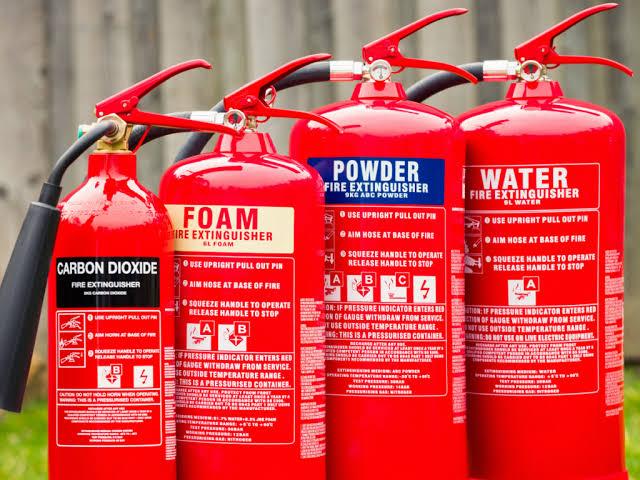 Fire Extinguisher An ABC type fire extinguisher is a versatile and widely used fire extinguisher that can be effective against t
ABC Type Fire Extinguis...
INR 999INR 1999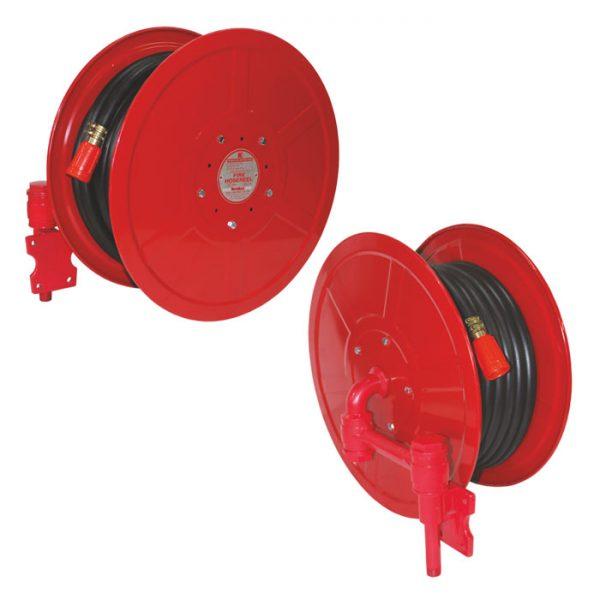 A complete set for a fire hose reel drum typically includes everything needed for effective fire suppression a
Hose Reel Drum Set
INR 3250INR 5500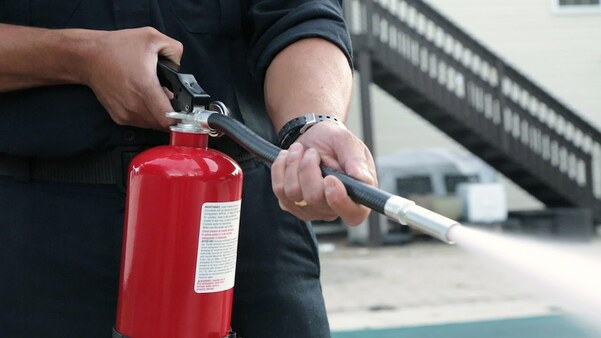 EVERGREEN FIRE What are the 4 types of fire extinguishers? There are four classes of fire extinguishers – A, B, C and D – and
FIRE EXTINGUISHER
 EVERGREEN FIRE A fire sprinkler system is an active fire protection method, consisting of a water supply system, providing ad
FIRE SPRINKLER SYSTEMS
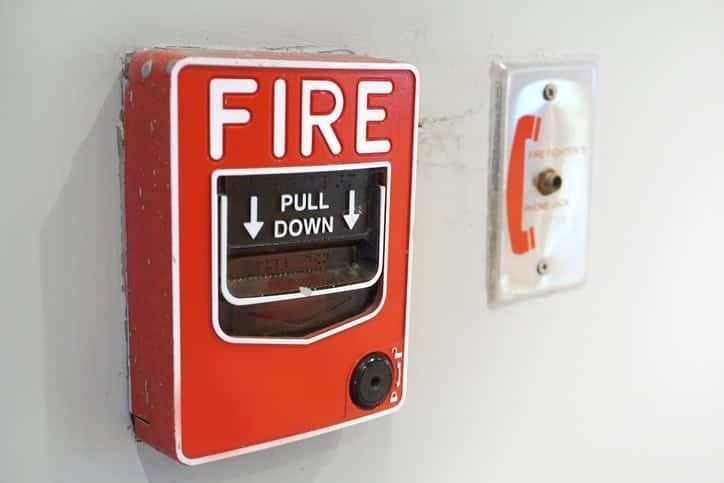 EVERGREEN FIRE & SECURITY SERVICES A fire alarm system is a critical component of any building’s safety infrastructure, designed to detect and al
FIRE ALARM SYSTEMS