

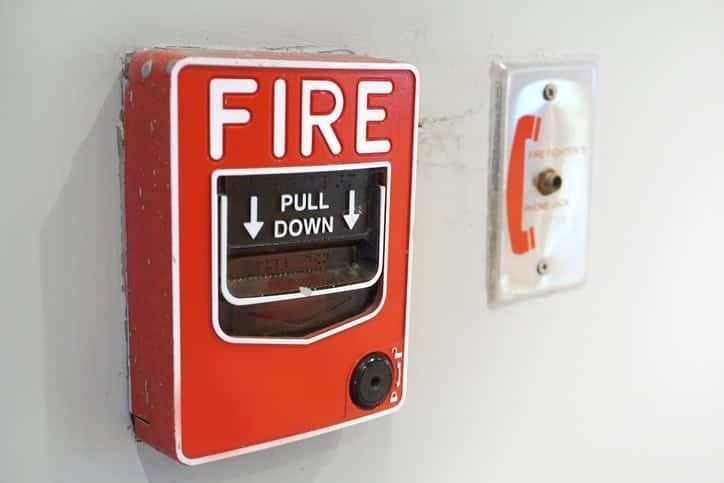
FIRE ALARM SYSTEMS
INR 0
Enquire
Description
A fire alarm system is a critical component of any building’s safety infrastructure, designed to detect and alert occupants to the presence of a fire or smoke. These systems consist of various components working together to detect, notify, and manage fire emergencies effectively. Here’s a detailed breakdown of the components and functions of a typical fire alarm system: 1. Smoke and Heat Detectors: These devices are the primary sensors that detect the presence of smoke, heat, or flames. There are several types of detectors, including ionization smoke detectors (which detect small particles from fast-burning fires), photoelectric smoke detectors (which respond to smoldering fires), and heat detectors (which detect a rise in temperature). Detectors are strategically placed throughout the building to provide comprehensive coverage. 2. Fire Alarm Control Panel (FACP): The control panel serves as the brain of the fire alarm system. It receives signals from the detectors and activates the alarm in response to a fire or smoke detection. The panel also monitors the status of the system components, performs diagnostics, and provides controls for system configuration and testing. 3. Notification Appliances: These devices include audible and visual alarms that alert occupants to the presence of a fire. Audible alarms typically include horns, bells, or sirens, while visual alarms may consist of strobe lights or flashing beacons. Notification appliances are strategically placed throughout the building to ensure that occupants can quickly and easily perceive the alarm signals. 4. Manual Pull Stations: Manual pull stations allow occupants to manually activate the fire alarm system in case of an emergency. These stations are typically installed near building exits and in high-traffic areas, providing a quick and accessible means for individuals to initiate the alarm. 5. Remote Monitoring and Communication Devices: Advanced fire alarm systems may include features for remote monitoring and communication. These can include connections to central monitoring stations, which can dispatch emergency responders, as well as integration with building management systems for automated response and control. 6. Power Supply and Backup: Fire alarm systems require a reliable power source to ensure continuous operation. They are typically connected to the building’s electrical supply, with backup power provided by batteries or generators in case of a power outage. Backup power ensures that the system remains functional even during emergencies. 7. Testing and Maintenance Equipment: Regular testing and maintenance are essential to ensure the proper functioning of a fire alarm system. Test equipment, such as smoke detectors testers and sensitivity meters, allows technicians to verify the performance of the system components and make any necessary adjustments or repairs. Overall, a well-designed and properly maintained fire alarm system is crucial for ensuring the safety of building occupants and minimizing the risk of fire-related injuries and property damage. By promptly detecting and alerting occupants to the presence of a fire, these systems play a vital role in facilitating safe evacuation and effective emergency response.
other Products
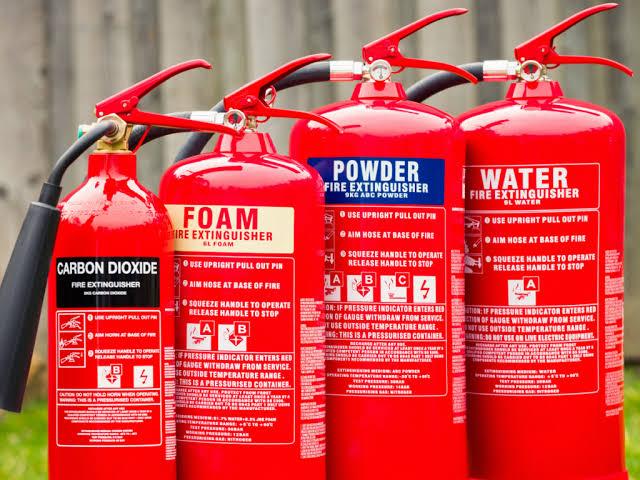 Fire Extinguisher An ABC type fire extinguisher is a versatile and widely used fire extinguisher that can be effective against t
ABC Type Fire Extinguis...
INR 999INR 1999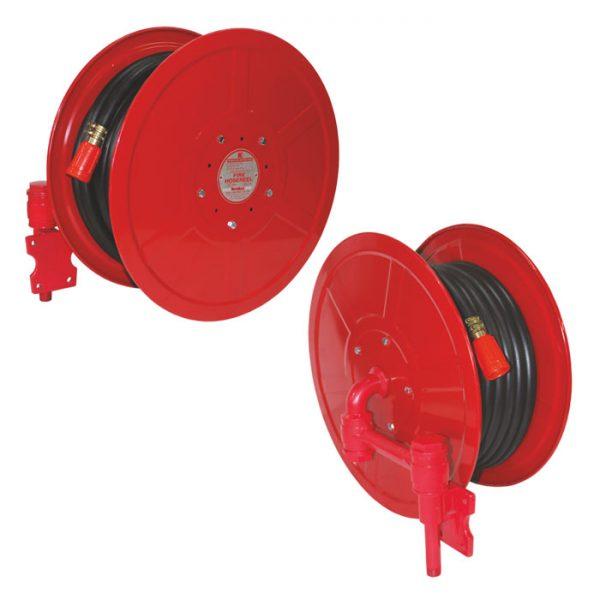 A complete set for a fire hose reel drum typically includes everything needed for effective fire suppression a
Hose Reel Drum Set
INR 3250INR 5500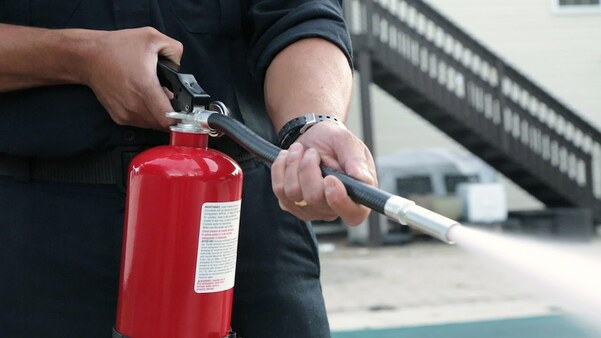 EVERGREEN FIRE What are the 4 types of fire extinguishers? There are four classes of fire extinguishers – A, B, C and D – and
FIRE EXTINGUISHER
 EVERGREEN FIRE A fire sprinkler system is an active fire protection method, consisting of a water supply system, providing ad
FIRE SPRINKLER SYSTEMS