


FIRE HOSE
INR 0
Enquire
Description
A fire hose is a critical component of firefighting equipment, designed to deliver water or other fire suppression agents to extinguish fires. Fire hoses are flexible tubes made from durable materials capable of withstanding high pressure and extreme temperatures. Here's a detailed breakdown of the components and features of a typical fire hose: 1. **Construction Material:** Fire hoses are commonly constructed from synthetic materials such as rubber, polyurethane, or PVC (polyvinyl chloride), which offer flexibility, strength, and resistance to abrasion and degradation from exposure to heat, chemicals, and UV radiation. 2. **Lining:** The inner lining of a fire hose is typically made of synthetic rubber or thermoplastic materials to provide a smooth surface for water flow and resistance to corrosion and degradation. The lining also helps prevent the absorption of water, reducing weight and improving flexibility. 3. **Reinforcement:** Fire hoses feature one or more layers of reinforcement to enhance strength and pressure resistance. Common reinforcement materials include woven textiles such as polyester or nylon, as well as synthetic fibers like aramid (e.g., Kevlar) or polyethylene. Reinforcement layers are designed to withstand high internal pressures while maintaining flexibility and preventing kinking or collapsing. 4. **Cover:** The outer cover of a fire hose serves as a protective barrier, shielding the hose from external hazards such as abrasion, chemicals, and ultraviolet (UV) radiation. Fire hose covers are typically made from synthetic materials such as rubber, polyurethane, or polyester, which offer durability, weather resistance, and flexibility. 5. **Couplings:** Fire hoses are equipped with couplings or connectors at each end, allowing them to be attached to firefighting equipment such as hydrants, pumps, nozzles, or hose reels. Couplings may be made of metal (e.g., aluminum, brass, or stainless steel) or synthetic materials and are designed to provide a secure, leak-proof connection while allowing for easy attachment and detachment. 6. **Diameter and Length:** Fire hoses are available in various diameters and lengths to accommodate different firefighting needs and applications. Common diameters range from 1 inch (25 mm) to 3 inches (75 mm), with lengths typically ranging from 50 feet (15 meters) to 100 feet (30 meters) or longer. Larger diameter hoses are capable of delivering higher flow rates and are often used for supplying water to firefighting apparatus or large-scale fire suppression operations. 7. **Pressure Rating:** Fire hoses are rated for specific operating pressures, which dictate their maximum working pressure and burst pressure capabilities. Pressure ratings vary depending on hose diameter, construction materials, and intended use, with typical operating pressures ranging from 150 psi (pounds per square inch) to 300 psi (10 to 20 bar) or higher. Fire hoses play a crucial role in firefighting operations, providing firefighters with a flexible and reliable means of delivering water to extinguish fires, protect property, and save lives. Proper selection, inspection, testing, and maintenance of fire hoses are essential to ensure their effectiveness and reliability during emergency situations.
other Products
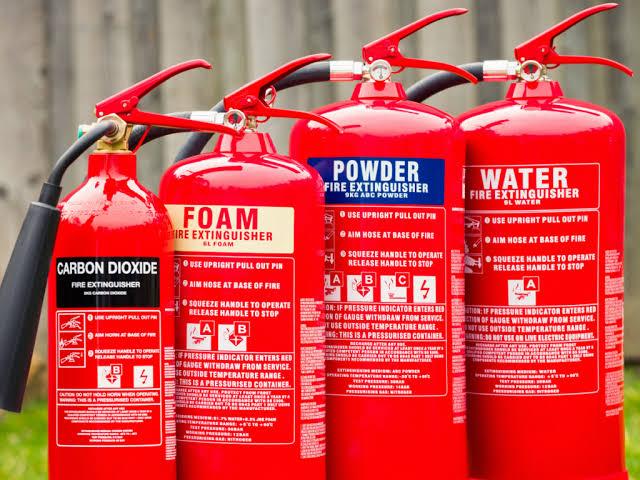 Fire Extinguisher An ABC type fire extinguisher is a versatile and widely used fire extinguisher that can be effective against t
ABC Type Fire Extinguis...
INR 999INR 1999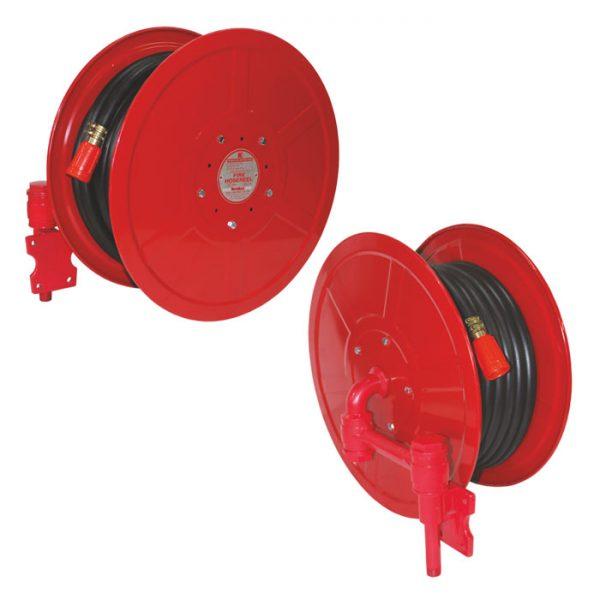 A complete set for a fire hose reel drum typically includes everything needed for effective fire suppression a
Hose Reel Drum Set
INR 3250INR 5500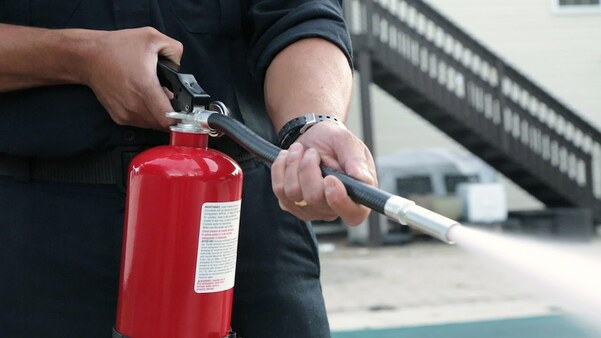 EVERGREEN FIRE What are the 4 types of fire extinguishers? There are four classes of fire extinguishers – A, B, C and D – and
FIRE EXTINGUISHER
 EVERGREEN FIRE A fire sprinkler system is an active fire protection method, consisting of a water supply system, providing ad
FIRE SPRINKLER SYSTEMS
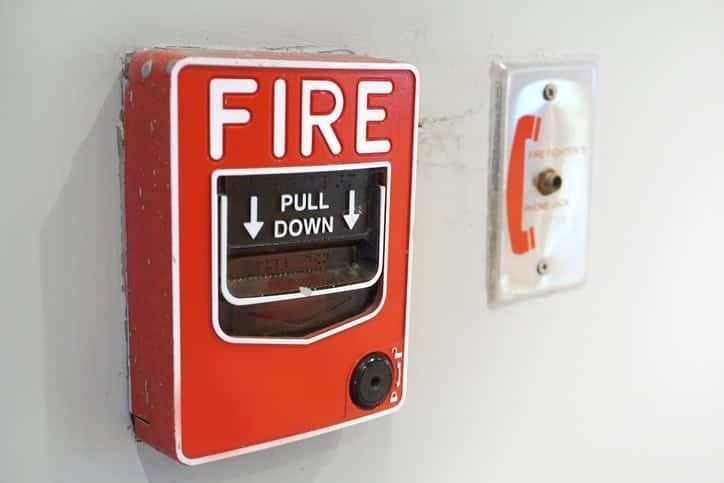 EVERGREEN FIRE & SECURITY SERVICES A fire alarm system is a critical component of any building’s safety infrastructure, designed to detect and al
FIRE ALARM SYSTEMS